
PSYCHO-PASS
PSYCHO-PASS サイコパス
Available on
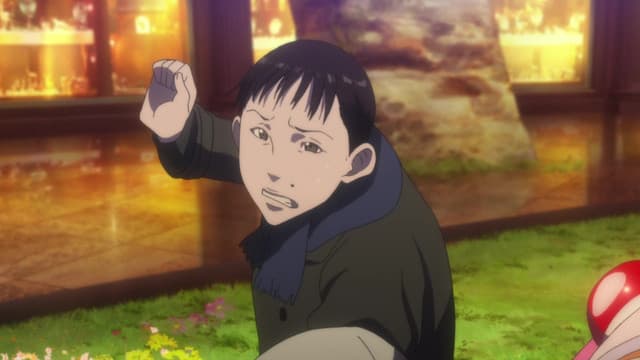
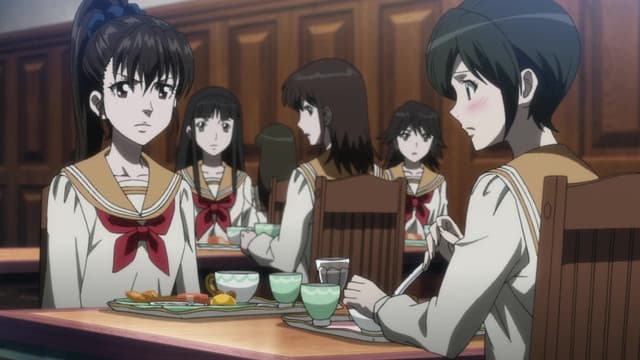
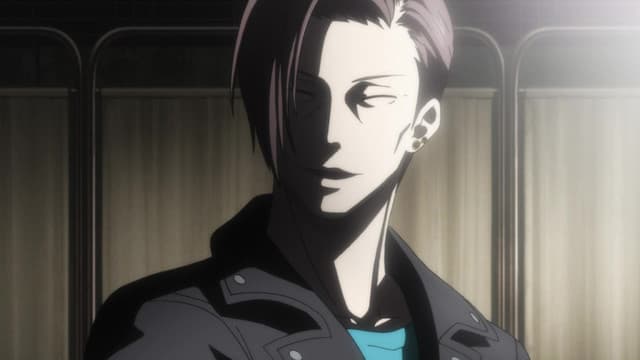
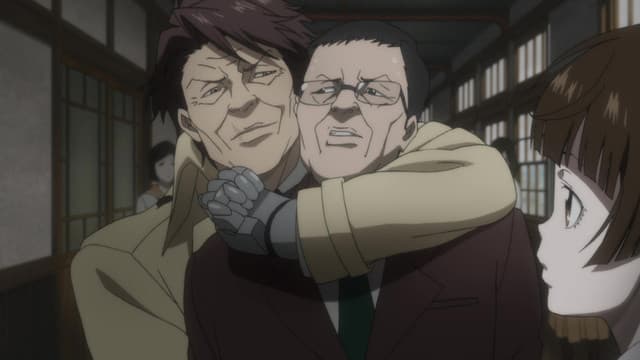
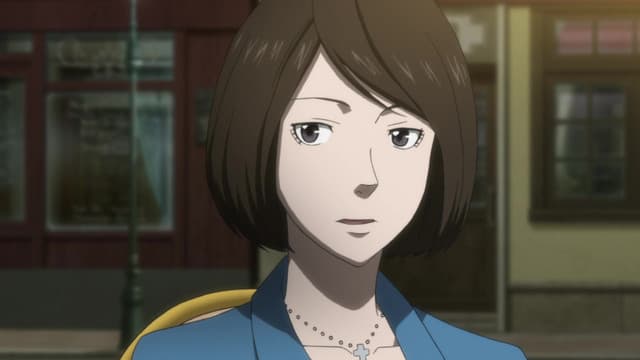
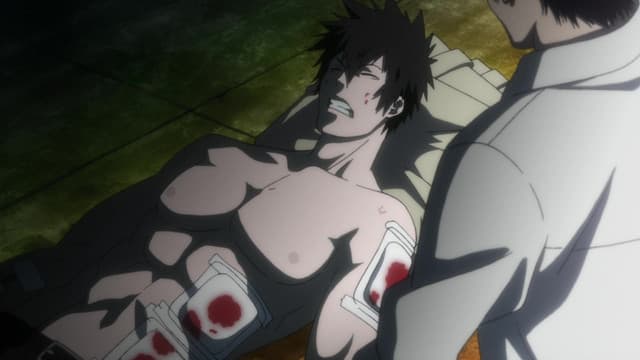
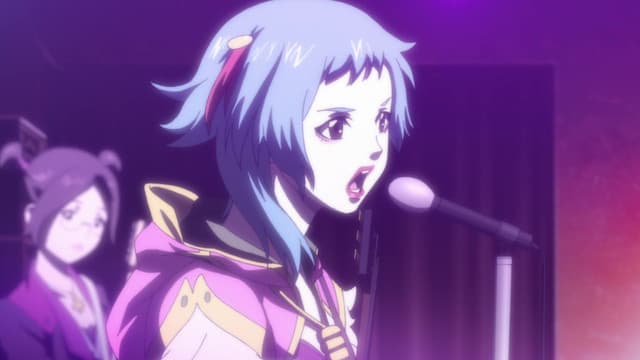
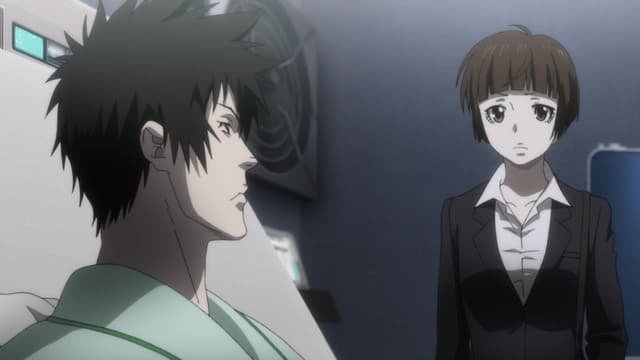
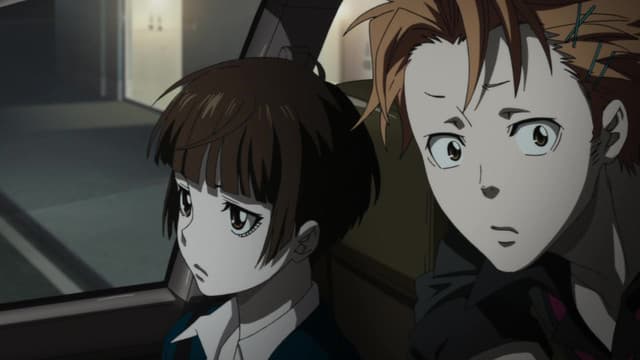
Justice, and the enforcement of it, has changed. In the 22nd century, Japan enforces the Sibyl System, an objective means of determining the threat level of each citizen by examining their mental state for signs of criminal intent, known as their Psycho-Pass. Inspectors uphold the law by subjugating, often with lethal force, anyone harboring the slightest ill-will; alongside them are Enforcers, jaded Inspectors that have become latent criminals, granted relative freedom in exchange for carrying out the Inspectors' dirty work. Into this world steps Akane Tsunemori, a young woman with an honest desire to uphold justice. However, as she works alongside veteran Enforcer Shinya Kougami, she soon learns that the Sibyl System's judgments are not as perfect as her fellow Inspectors assume. With everything she has known turned on its head, Akane wrestles with the question of what justice truly is, and whether it can be upheld through the use of a system that may already be corrupt. (Source: MAL Rewrite) Note: In the Summer 2014 season, Psycho-Pass was rebroadcast and re-edited to fit into an hour time-slot, ending up in 11 one-hour episodes. This edit included added scenes at the beginning and middle of the episodes, as well as fixing and improving animation.
Episodes
22






How watching this pays the artists
Every time you watch PSYCHO-PASS on a legitimate streaming service, a portion of that revenue flows back to Production I.G, the voice actors, the composer, and the animators who made it. Subscribing or watching on an ad-supported tier is how the work continues.
Where the money actually goes
Streaming services pay licensing fees to the production committee that financed the show. That committee distributes revenue to the studio, the publisher of the source material, the music label, and the broadcasters who originally aired it. The animators themselves are typically employed or contracted by the studio; their pay comes from the studio’s share of these licensing dollars.
Piracy doesn’t reduce streaming-service revenue evenly — it removes the underlying viewership that justifies future licensing investment. Less licensing investment means smaller studio budgets, lower pay for animators, and fewer shows greenlit.
Torinagi surfaces every legitimate option so you can watch on the service you already pay for, or on a free ad-supported tier if one carries this show. We never host video.
Also on
PSYCHO-PASS across the torinagi family