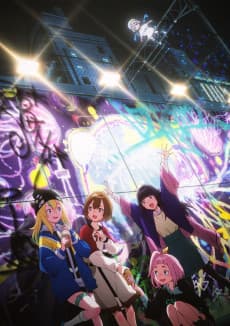
Jellyfish Can’t Swim in the Night
夜のクラゲは泳げない
Available on
"I want to find what I enjoy." Shibuya is a city full of identity. It is here on Shibuya’s late night streets that illustrator Mahiru Kozuki, former idol Kano Yamanouchi, Vtuber Kiui Watase and composer Mei Kim Anouk Takanashi — four young women who are slightly outside the world — join together and form an anonymous artist group called JELEE. “I” also want to shine like someone else. If it's not me but “we” then we might be able to shine. (Source: Crunchyroll News, HIDIVE, edited)
Episodes
12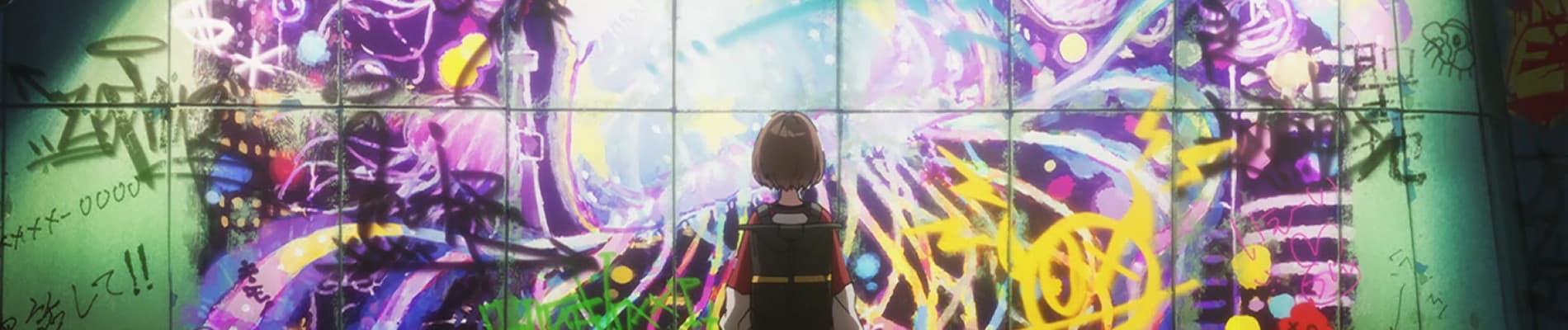
How watching this pays the artists
Every time you watch Jellyfish Can’t Swim in the Night on a legitimate streaming service, a portion of that revenue flows back to Doga Kobo, the voice actors, the composer, and the animators who made it. Subscribing or watching on an ad-supported tier is how the work continues.
Where the money actually goes
Streaming services pay licensing fees to the production committee that financed the show. That committee distributes revenue to the studio, the publisher of the source material, the music label, and the broadcasters who originally aired it. The animators themselves are typically employed or contracted by the studio; their pay comes from the studio’s share of these licensing dollars.
Piracy doesn’t reduce streaming-service revenue evenly — it removes the underlying viewership that justifies future licensing investment. Less licensing investment means smaller studio budgets, lower pay for animators, and fewer shows greenlit.
Torinagi surfaces every legitimate option so you can watch on the service you already pay for, or on a free ad-supported tier if one carries this show. We never host video.
Also on
Jellyfish Can’t Swim in the Night across the torinagi family